Optimal Timing for Drainage System Installations
The optimal time for drainage system installations depends on weather conditions and soil moisture levels. Installing during periods of dry weather reduces the risk of delays caused by rain and allows for proper soil settling. Typically, late spring and early fall offer favorable conditions with moderate temperatures and lower precipitation levels.
Spring offers moderate weather and dry soil conditions, making it suitable for drainage system setup before heavy summer rains.
Fall installations benefit from cooler temperatures and reduced rainfall, providing ample time for soil stabilization before winter.
Winter installations are often hampered by freezing temperatures, while summer can bring intense heat and storms, complicating installation efforts.
Proper soil moisture levels are crucial; overly saturated or frozen ground can hinder installation and affect system performance.
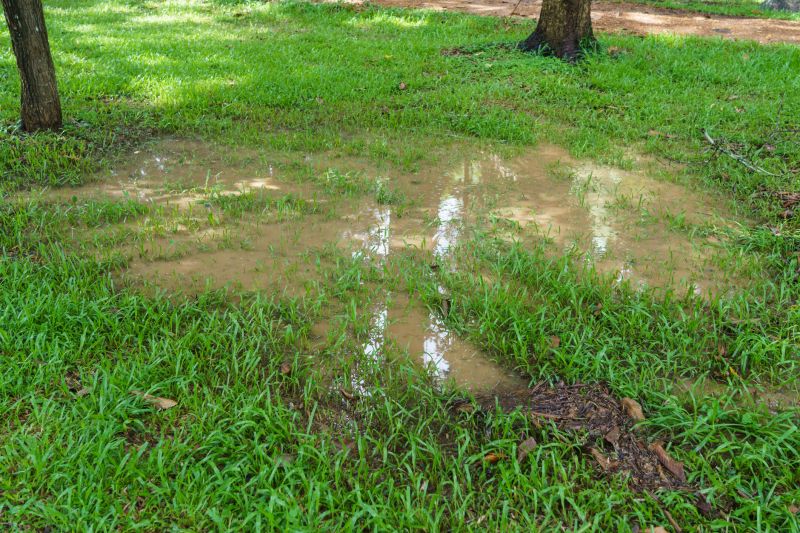
Image depicting drainage installation during spring with dry soil and moderate weather.
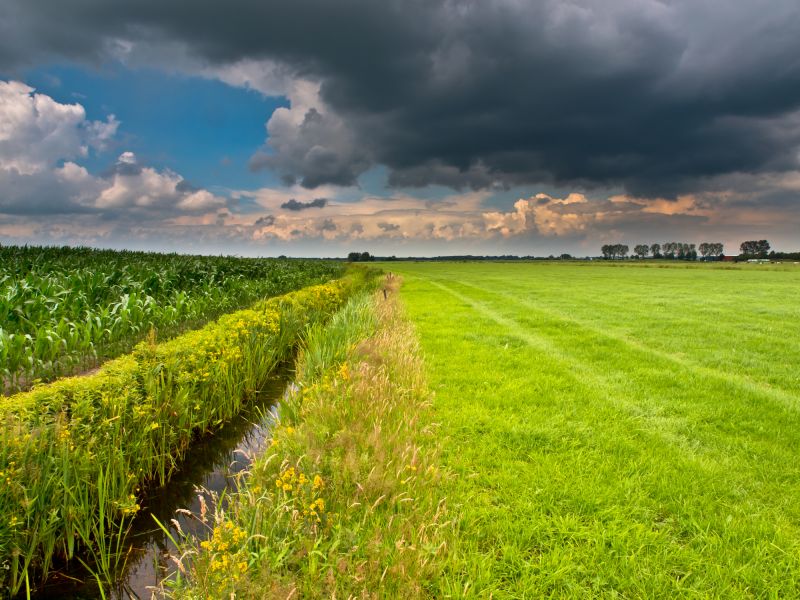
Image showing drainage system work in autumn with cooler temperatures and clear skies.
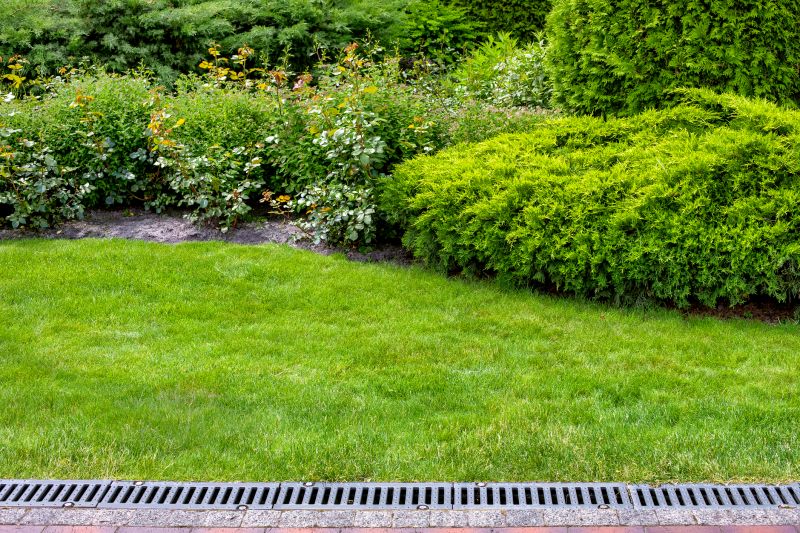
Image illustrating soil preparation for drainage system installation in favorable weather.
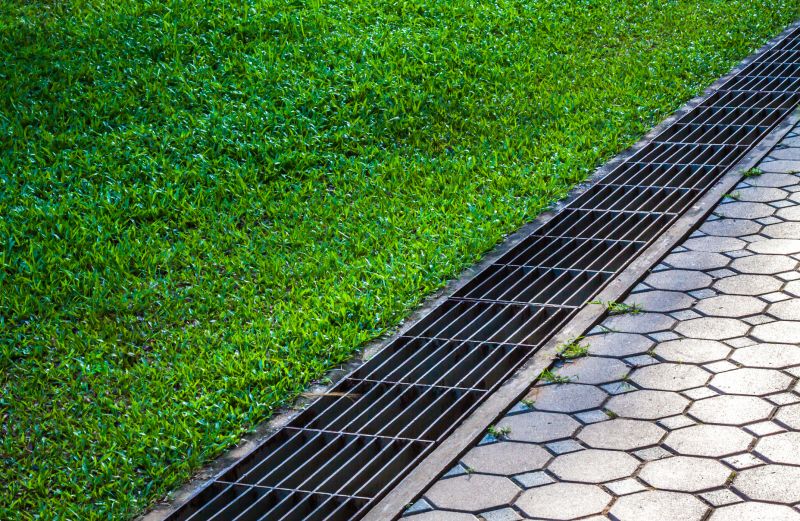
Ways to make Drainage System Installations work in tight or awkward layouts.
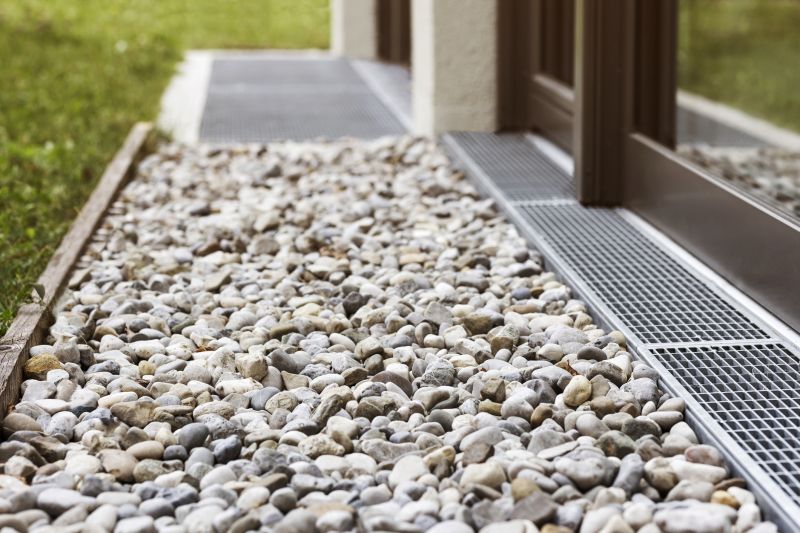
Popular materials for Drainage System Installations and why they hold up over time.
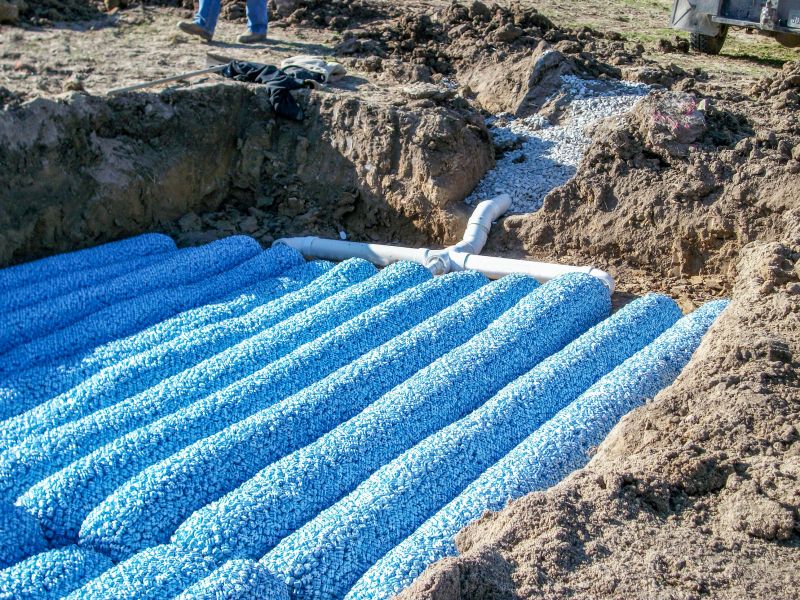
Simple add-ons that improve Drainage System Installations without blowing the budget.
| Season | Ideal Conditions |
|---|---|
| Spring | Moderate temperatures, dry soil, low rainfall |
| Summer | High temperatures, potential storms, hard soil |
| Fall | Cooler weather, reduced rain, stable soil |
| Winter | Freezing temperatures, frozen ground, snow |
| Late Summer | Potential for heat stress and storms |
Drainage system installations require careful timing to ensure effective performance and minimize disruptions. Proper planning around seasonal weather patterns helps achieve optimal results, reducing the likelihood of future issues related to poor drainage. Soil conditions, temperature, and precipitation are key factors influencing the success of installation projects.
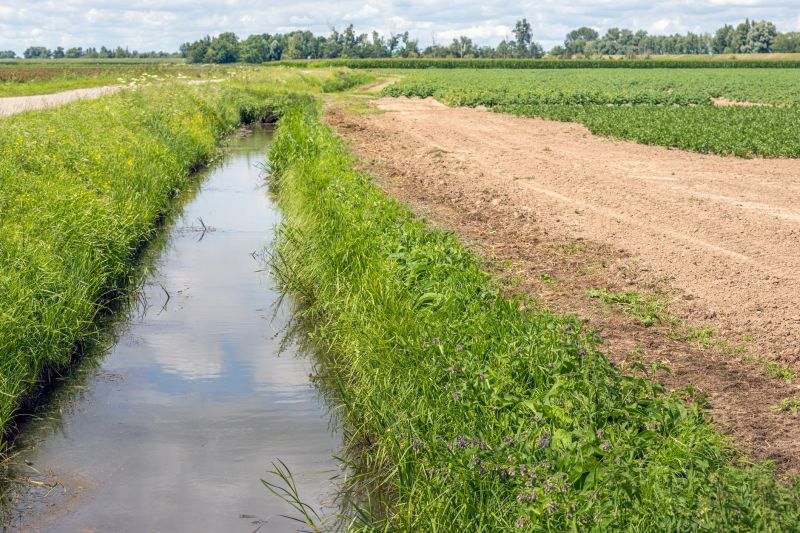
Image showing drainage work in dry, stable soil conditions.
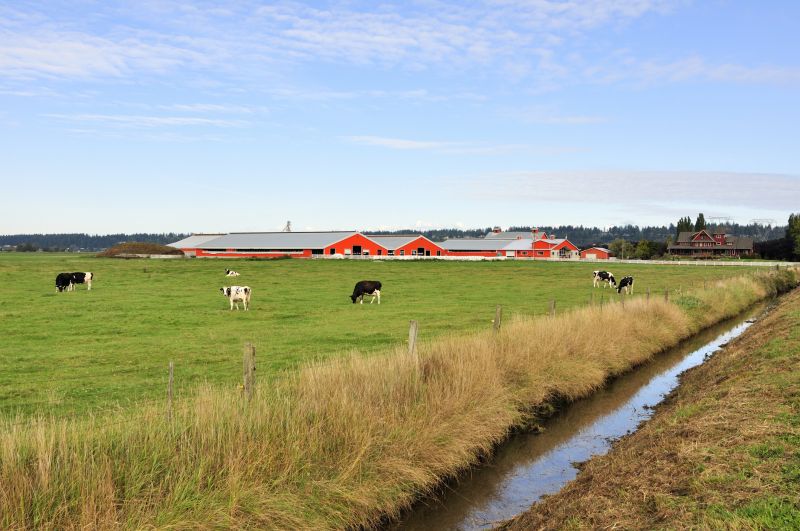
Image of soil being prepared for drainage system setup.
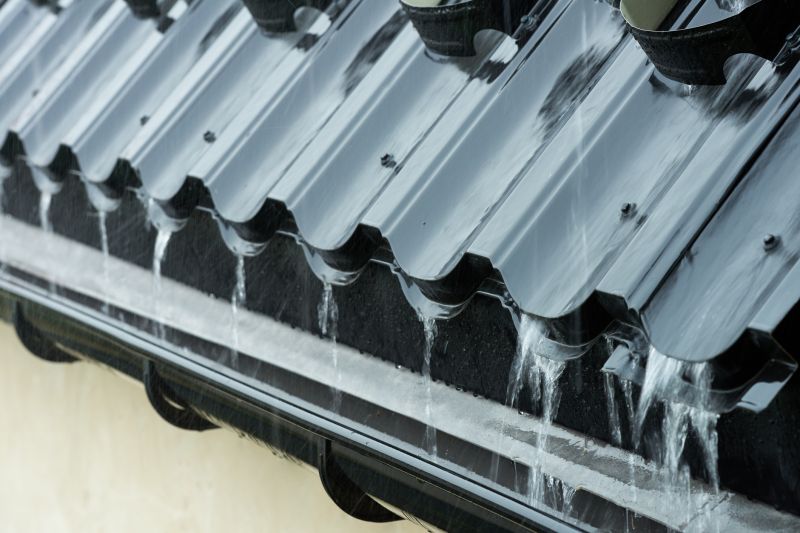
Image of a finished drainage system in favorable weather.
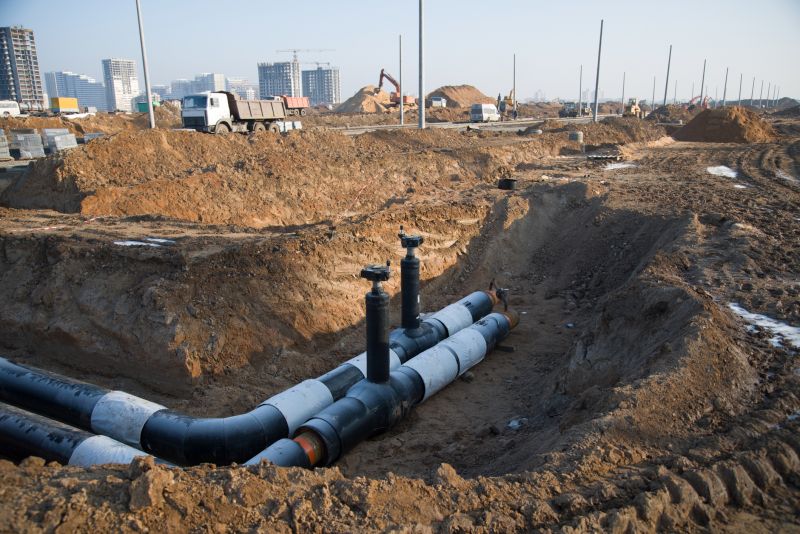
Image of ongoing drainage system installation during optimal weather.
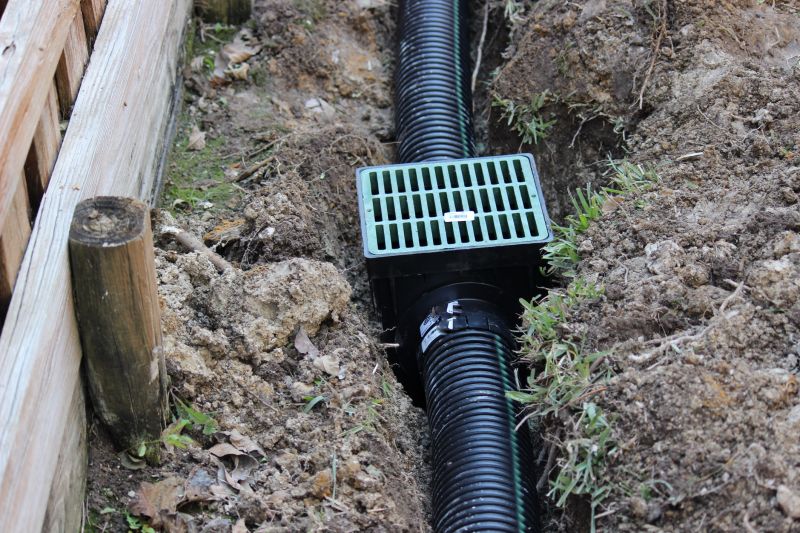
High-end options that actually feel worth it for Drainage System Installations.
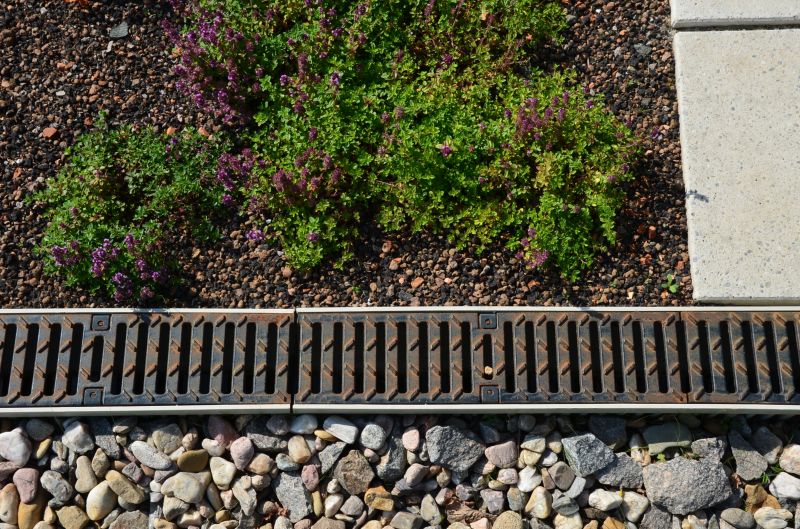
Finishes and colors that play nicely with Drainage System Installations.
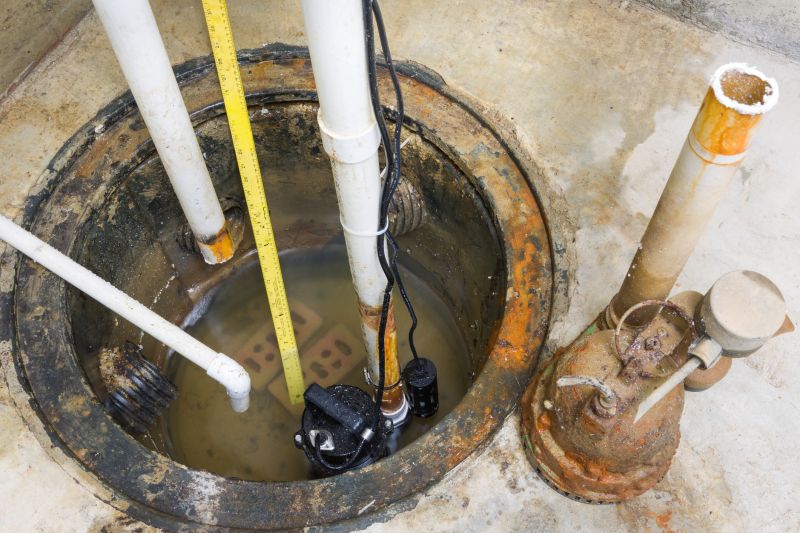
Little measurements that prevent headaches on Drainage System Installations day.
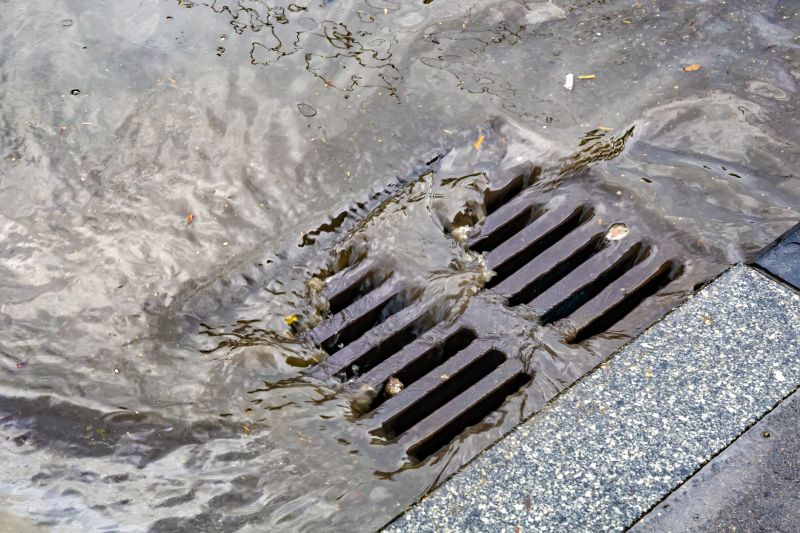
A 60-second routine that keeps Drainage System Installations looking new.
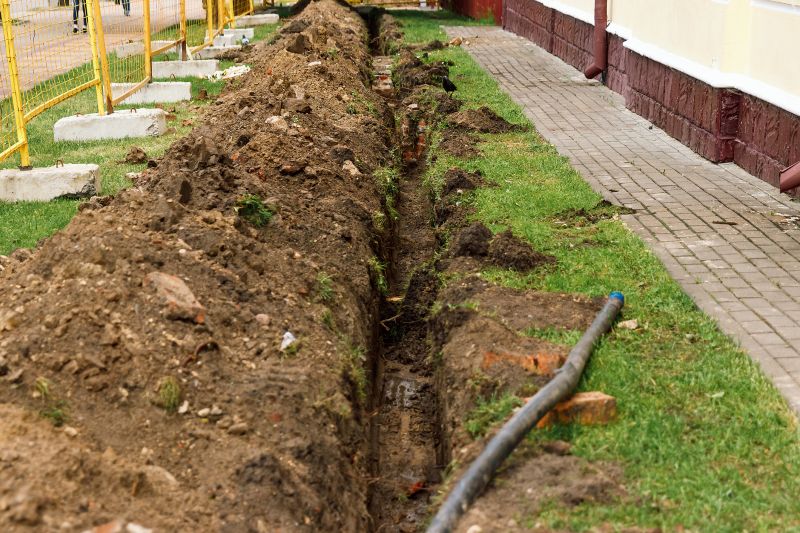
A frequent mistake in Drainage System Installations and how to dodge it.
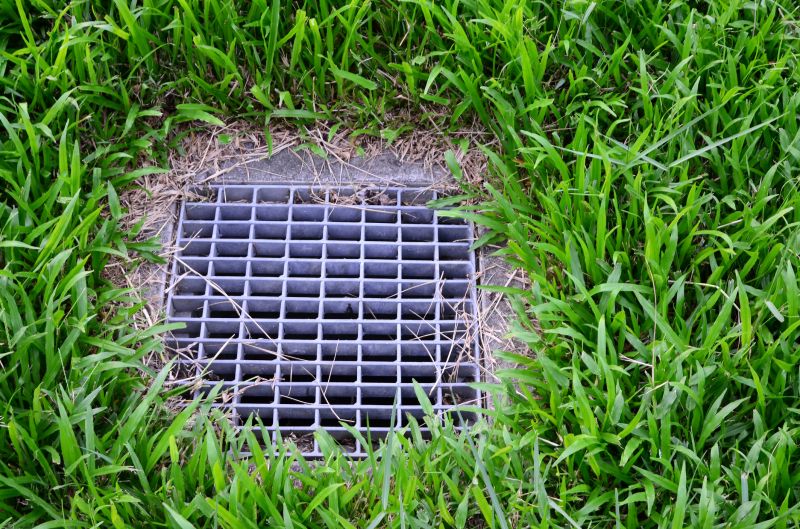
Small tweaks to make Drainage System Installations safer and easier to use.
Choosing the right time for drainage system installation can enhance longevity and performance. Avoiding periods of extreme weather ensures the system is correctly installed and functions effectively for years to come. Proper timing also allows for thorough soil stabilization and reduces the risk of future drainage problems.
Interested in scheduling a drainage system installation? Fill out the contact form to get started.