
Leading Products For Drainage System Setup To Optimize Water Drainage
Identify high-performance components designed to improve water flow and prevent flooding in residential and commercial projects.
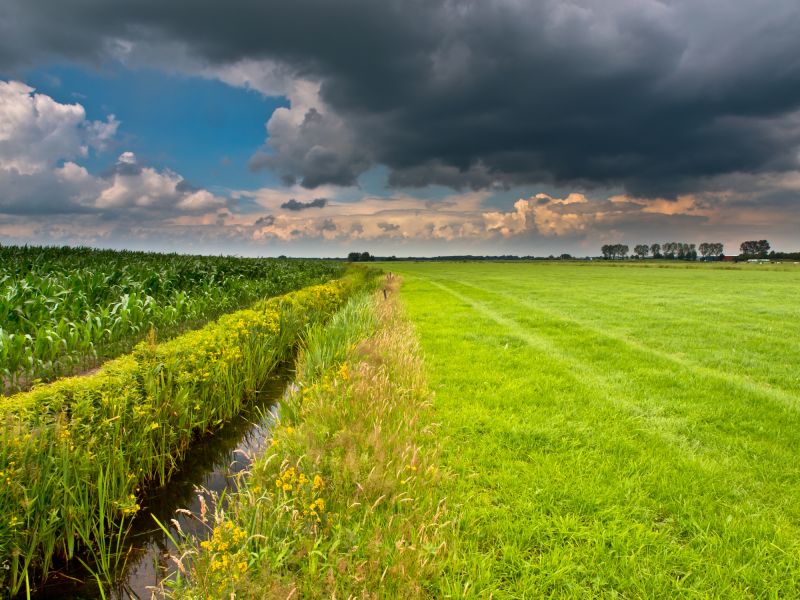 Installing an effective drainage system is essential for managing water flow around residential, commercial, or industrial properties. Proper drainage helps prevent water accumulation that can lead to structural damage, erosion, and landscape issues. A well-designed drainage system incorporates various components like pipes, fittings, and catch basins to direct water away from critical areas. Selecting the right products ensures the system functions efficiently and reliably over time.
Top Overall Option
Versatile Drainage Pipe System
A comprehensive drainage pipe system designed for durability and ease of installation, suitable for various applications including residential and commercial projects. Its modular design allows for flexible configurations, and the materials used offer resistance to corrosion and impact. This system supports efficient water flow management and can be customized to fit specific site requirements.
Types of Products For Drainage System Installations
PVC Drainage Pipes
Rigid pipes made from polyvinyl chloride, ideal for underground drainage and sewer systems due to their chemical resistance and longevity.
Corrugated Plastic Pipes
Flexible pipes suitable for surface and subsurface drainage applications, easy to install and adapt to various terrain conditions.
Concrete Drainage Channels
Heavy-duty channels used for surface water management, often installed along driveways, roads, and walkways.
Drainage Grates and Covers
Protective grates designed to cover drainage openings, preventing debris entry while allowing water flow.
Catch Basins
Collection points that intercept surface water runoff, directing it into the drainage system.
Flexible Couplings
Connectors that join different pipe segments, accommodating movement and reducing leaks.
Filter Socks and Liners
Materials used to prevent sediment and debris from clogging drainage pipes and outlets.
Slope Adapters
Components that help adjust pipe slopes for optimal water flow and drainage efficiency.
Drainage Inlets
Entry points that collect surface water and channel it into underground pipes or channels.
Perforated Drain Pipes
Pipes with small holes that allow water to enter or exit, used in French drains and weeping systems.
Sump Pumps
Pumps used to remove accumulated water from basements or low-lying areas, integrated into drainage systems.
Drainage Baskets
Protective baskets placed at outlets to catch debris and prevent pipe clogging.
Outlet Pipes
Pipes designed to direct water from drainage systems to designated discharge points.
Popular Choices
Widely used for their adaptability in various installation scenarios, these pipes are easy to handle and connect.
Commonly chosen for underground drainage systems, offering chemical resistance and long-term durability.
Popular for their flexibility and ease of installation in landscape drainage projects.
Frequently installed along driveways and walkways to prevent water pooling and manage runoff.
Effective for surface water collection in residential and commercial settings, often paired with piping.
Helpful for ensuring proper water flow by adjusting pipe slopes during installation.
Includes perforated pipes and gravel, used for subsurface drainage to alleviate water accumulation.
Designed to capture runoff from surfaces and direct it into underground pipes or channels.
Used in high-traffic or heavy load areas, these pipes resist impact and deformation.
Allow for easy joining of pipes in tight or awkward spaces, accommodating movement and settling.
Essential for directing collected water to safe discharge locations, ensuring system efficiency.
Prevent clogging by capturing debris before water enters the main drainage pipes.
Designed to provide a secure, leak-proof connection in underground drainage systems.
Drainage system products come in numerous variations tailored to different applications. From underground piping solutions to surface drainage grates, each component plays a specific role in managing water runoff. Material choices such as PVC, corrugated plastic, or concrete influence durability and ease of installation. Additionally, accessories like filters, adapters, and connectors facilitate seamless integration of different parts, ensuring a cohesive and effective system.
When planning a drainage installation, considerations extend beyond product selection. Factors such as soil type, slope, water volume, and local codes impact the choice of components. Proper installation techniques are vital to prevent issues like clogging or leaks. Regular maintenance, including cleaning and inspections, can prolong the lifespan of the drainage system and maintain optimal performance.
Investing in quality drainage products can help achieve a reliable water management setup suited to your specific needs. Whether for a new construction project or an upgrade to an existing system, understanding the variety of available products and their applications supports informed decision-making. Careful selection and installation of drainage components contribute significantly to protecting property value and ensuring safety during heavy rainfall or water flow events.
Key Buying Considerations
- Material durability and resistance to environmental factors
- Compatibility with existing or planned drainage components
- Appropriate pipe diameter for expected water volume
- Ease of installation and handling
- Flexibility versus rigidity based on site conditions
- Resistance to corrosion, impact, and UV exposure
- Ease of maintenance and cleaning features
- Proper slope and alignment options for efficient water flow
- Compliance with local building codes and standards
- Availability of accessories such as connectors and filters
- Weight and transportation considerations for installation
- Cost-effectiveness over the lifespan of the system
- Compatibility with surface and subsurface drainage needs
- Ability to handle expected water flow during heavy rainfall